Warning: This blog talks openly and honestly about death, dying, and grief. Some readers may find the content upsetting or triggering. Please take care as you read.
Dotty’s Diagnosis

She believed in honesty
Dying Matters Awareness Week asks us to talk about death and dying. The 2025 Celebration Day poll says 27% of people struggle to talk about death with loved ones, and 30% often hold back their feelings. Many of us feel awkward or scared when we start these conversations. We need to break the stigma and taboos around death and dying. Dotty did just that. She invited me in not long after her diagnosis.
Dotty always believed in honesty, even when it hurt. That quality became her compass after a diagnosis that changed everything: motor neurone disease. The news arrived with the kind of weight that crushes breath, but Dotty, ever herself, refused to let silence or fear rule her final chapter.
Her decline was swift, each week stealing something new—her speech, her strength, her independence. Yet with every loss, Dotty gained an urgent clarity: her end was approaching, and her family, adrift in love and dread, needed her guidance as much as she needed theirs.
The Conversation No One Wants
One Sunday, Dotty gathered her family. It wasn’t a grand speech, nor was it easy. Her words, now slow and fragile, tumbled out with effort: “We have to talk about what happens next.”
Her children shifted uncomfortably. They wanted miracles, not plans. But Dotty pressed on, describing with harrowing honesty what dying from motor neurone disease would look like—the choking, the confusion, the slow shutting down. She asked them to promise her dignity: no heroic interventions, no desperate clinging when her suffering outweighed hope.
She spoke, too, about them. “You’ll miss me, but you’ll live. You’ll have to.” Dotty urged them to lean on one another, to grieve but not shatter, to keep laughter close and guilt far away. She wanted her memory to be a gentle nudge toward the future, not an anchor to the past.
Dotty didn’t avoid the hard stuff. She told her family what she wanted for her funeral—no arguments, just the music she loved, and no fuss. She told them straight: if things got too much, get help. She’d already found someone for them to talk to if they needed. That’s when she got in touch with me, soon after she was diagnosed. She wanted everything lined up, so her family wouldn’t be left guessing.
The Last Days
Her last days were a blur of pain and lucidity. Sometimes, she tried for more conversations, but her body rebelled—her mouth unable to form the words, her mind foggy with exhaustion. Yet, even in those moments, her eyes pleaded for connection, and her family learned to listen without words.
Dotty died cradled in the love she’d shaped. For her family, letting her go was both devastation and relief. But in the weeks that followed, her wishes echoed: “Live. Love. Speak honestly, even when it hurts.”
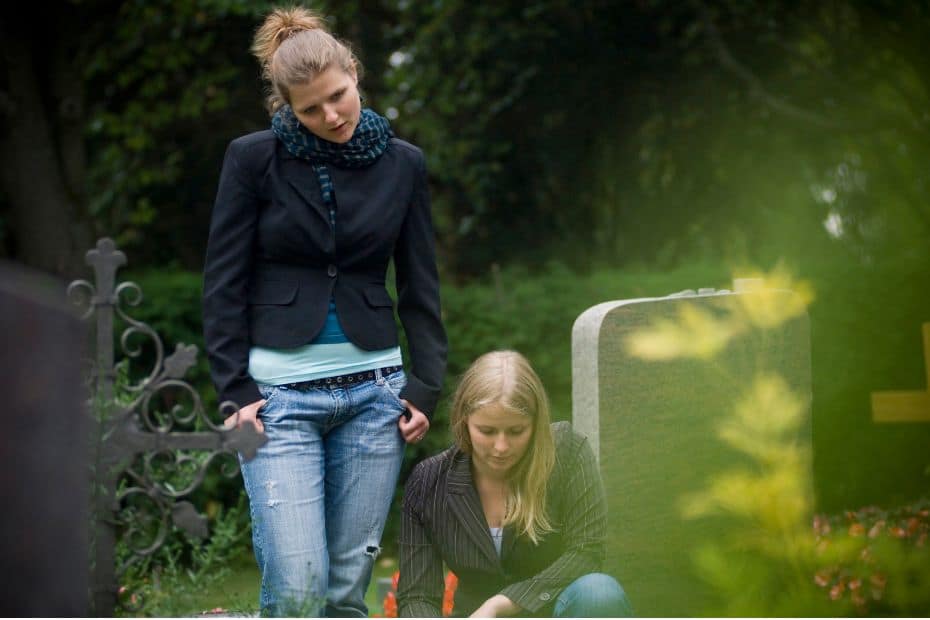
Looking Back
Her Family’s Reflection
- For Dotty’s family, talking about her death while she was still with them felt almost impossible. Each conversation about funeral wishes or what would happen “after” seemed to pull the air from the room, a stark reminder that their time was running out. They often found themselves wanting to change the subject, to focus instead on what Dotty could still enjoy, or to help her find small sparks of happiness each day.
“Still, Dotty wouldn’t let us dodge the truth. She made us talk about what was coming, even when we wanted to look away. At first, those conversations felt brutal, like we were betraying hope just by having them. We wanted to protect Dotty from sadness, to keep things light, but she saw through us every time. In the end, we realised these talks were her way of loving us, making sure we wouldn’t be lost in confusion or arguments after she was gone. She showed us that honesty isn’t the enemy of love. It’s part of it.
- When Dotty died, her family found themselves grateful for those hard talks. They knew what she wanted—no guessing, no second-guessing, no falling out over decisions. That honesty took a weight off their shoulders. They could say goodbye the way she’d asked them to. What once felt impossibly difficult turned out, in the end, to be a gift. Dotty gave them clear instructions and the courage to follow them, and that made all the difference.
Discover more from
Subscribe to get the latest posts sent to your email.