
Recently, I was appointed to officiate the funeral of a well-known environmentalist. While she was not religious, she was profoundly spiritual. She had a deep connection to the natural world and was a steadfast advocate for peace. Her family and peers loved and admired her immensely.
After the service, the family described the ceremony as a “profound space of memorial and meaning.”
During the ceremony, I placed a sprig of fresh rosemary in my lapel pocket. Her daughter noticed the sprig of rosemary during the ceremony and how I discreetly placed it on top of the coffin before leaving the chapel. She understood what rosemary represented—a symbol of remembrance, loyalty, and fidelity. The evergreen nature of rosemary also signifies eternal life and the enduring nature of memories and interconnectedness. I realised that a great deal of meaning had been conveyed through that tiny sprig of rosemary without drawing significant attention to it.
The Power of Symbol
“Symbols are not just things; they are vessels of meaning, carrying the weight of history, culture, and emotion, and capable of shaping our perceptions and inspiring action.”
This quote highlights how symbolism transcends the literal, connecting us to deeper ideas and influencing our understanding of the world. Symbols represent far more than they appear to.
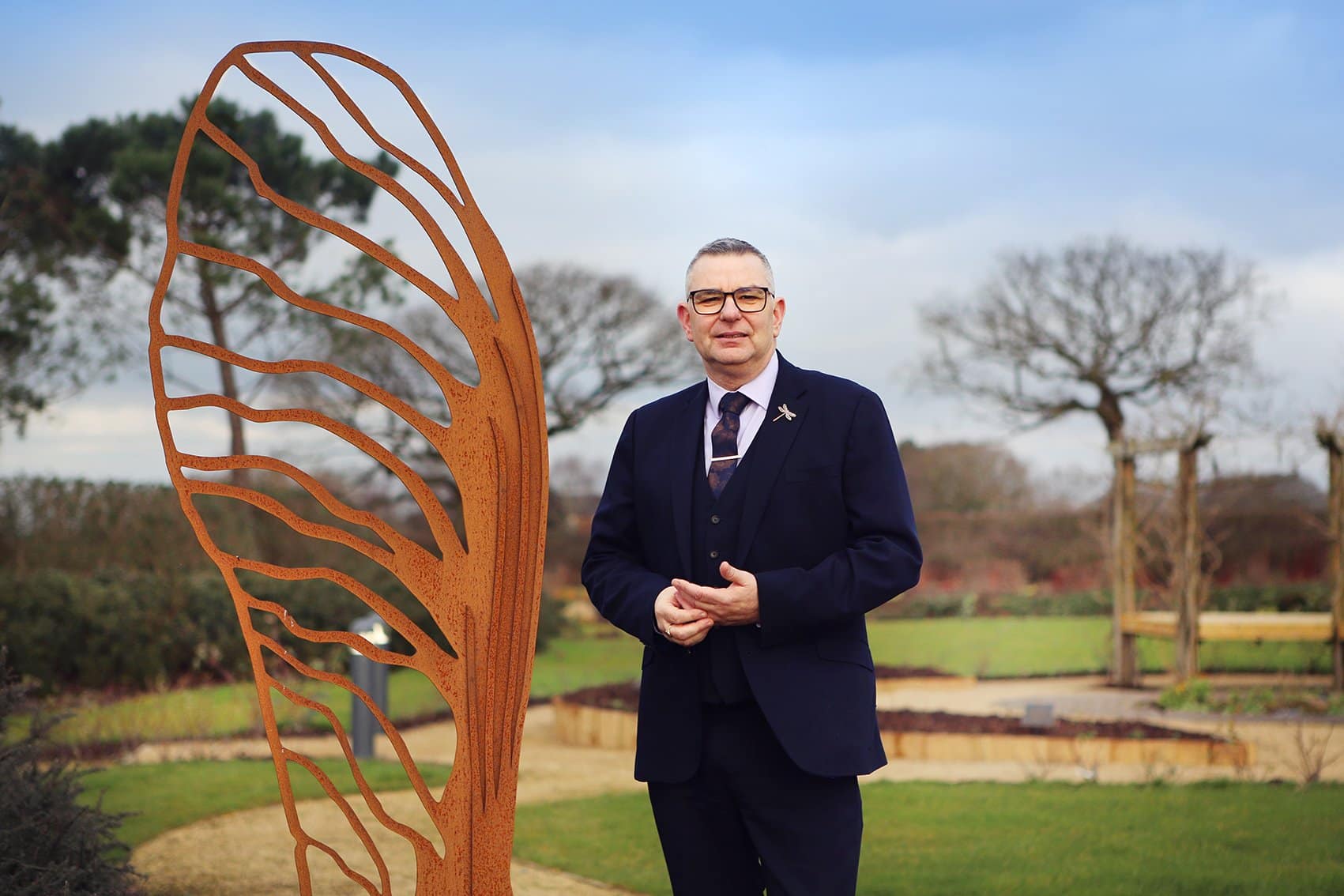
In a funeral ceremony, symbols such as the cross (for Christians; other faiths use different symbols), flowers, and candles serve as focal points for mourners. They represent realities that are hard to accept, yet their beauty makes them more approachable than words can convey.
Because they embody such profound meaning, symbols also encourage the expression of thoughts and feelings, facilitating the conversion of grief into mourning and the search for meaning.
Other funeral symbols include:

A candle flame represents the spirit and the continuation of life after death.
A cross signifies the Christian faith.
Flowers symbolise colour, support, and beauty, as well as an expression of love and specialness.
A dragonfly embodies hope, change, and love.
A white handkerchief represents purity and peace.
Ofrenda
An “ofrenda,” or memory table, is a Spanish term for an altar or offering. Families create these altars to honour their loved ones. They are typically adorned with items that are significant or appealing to the person who has died, such as photos, favourite foods, drinks, and objects that represent their life. These altars are not merely decorative displays; each element, including colours and objects, carries specific meanings that enhance the ritual significance of the occasion.
Ofrendas are deeply symbolic and serve as a bridge between the living and the deceased. They offer a way to honour each carefully chosen element that represents something specific about the person’s life and their journey between worlds.
Symbolism and Emotion
Symbolism and emotion are closely intertwined, with symbols often acting as powerful tools to express, represent, and evoke emotions. At its core, symbolism utilises objects, images, or concepts to convey meanings that extend beyond the literal, facilitating a deeper and more nuanced communication of emotion and purpose. Symbols can be instrumental when emotions are difficult to express directly, allowing writers and artists to convey complex feelings and ideas indirectly.
Ultimately, symbolism serves as a bridge between the tangible and the intangible, enabling a deeper understanding and emotional experience for both the creator and the audience. Whether visual, verbal, or embodied in rituals, symbols help us make sense of the world, our place in it, and the journey of personal transformation.
Conclusion
Several weeks after the environmentalist’s funeral, I received a letter from her daughter thanking me for a “very sensitive and intelligent service,” as well as the simplicity and significance of the rosemary. She wrote, “You will never know how much that simple gesture meant to me.”
We should never underestimate the power and significance of small gestures. Although they may seem minor, these gestures can have far-reaching consequences. Additionally, the use of symbolism doesn’t need to be limited to funeral ceremonies; my home is filled with symbols.
Links
Read more here about ofrenda: https://dayofthedead.holiday/traditions/the-ofrenda
Read another related blog here: ritual/https://lastrites.ltd/steves-blog/funeral-ritual/
Discover more from
Subscribe to get the latest posts sent to your email.