Funeral directors and Celebrants each play essential roles in funeral services. Understanding their responsibilities is key to planning a meaningful funeral. It also makes it easier to support grieving families. More people are talking about roles, responsibilities, and boundaries in today’s funeral profession. More families are seeking personalised, meaningful farewells. Both funeral directors and funeral celebrants are now more visible. Yet despite often working closely together, the two roles are very different in purpose, training, and responsibility. For this reason, understanding and respecting those differences is essential—not only for professionals themselves, but for the families who place their trust in them at one of life’s most difficult moments.
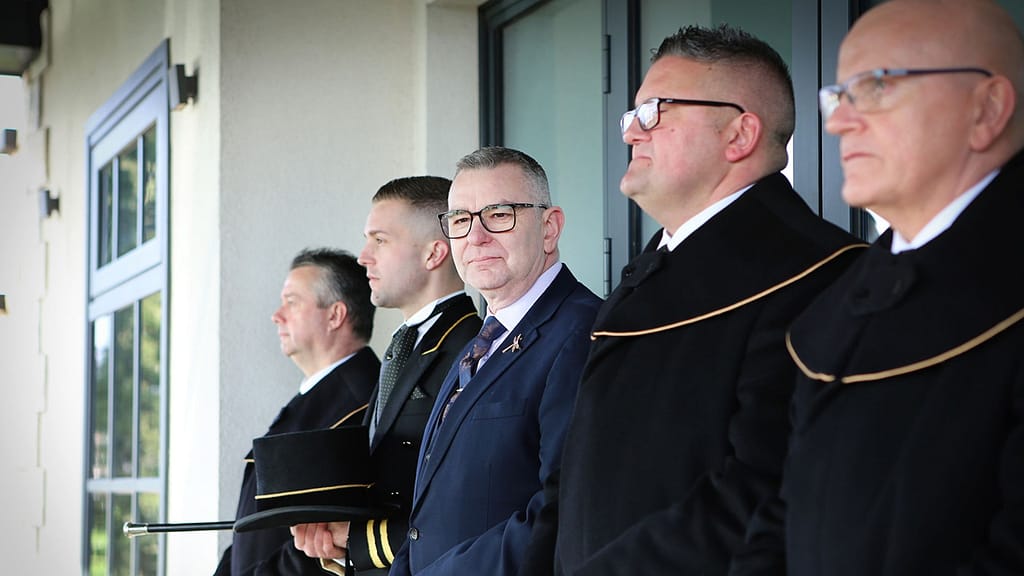
There are Differences
Two Different Professions, One Shared Goal
At first glance, a funeral director and a funeral celebrant may appear to occupy the same professional space. Both are present at funerals. Both support bereaved families. Funeral Directors and Celebrants may spend significant time communicating with relatives and guiding them through emotionally charged decisions.
However, their functions are fundamentally different.
A funeral director oversees the practical, logistical, and legal aspects of the funeral. They coordinate transportation, care of the deceased, legal documentation, timings, venues, vehicles, and countless operational details that most families never fully see. Their work often begins immediately after death and continues behind the scenes right up to the funeral itself.
A funeral celebrant, by contrast, creates the human narrative of the ceremony. They listen, interpret, shape, and deliver a meaningful reflection of a person’s life, values, relationships, and legacy. A celebrant crafts the emotional and ceremonial experience—the words, atmosphere, symbolism, pacing, and tone that families and mourners will remember long after the practical arrangements fade into the background.
On the one hand, one role manages the framework. On the other hand, the other gives the farewell its voice. Neither role is more important than the other. Both are essential. Nevertheless, they are not interchangeable.
Why Confusion Happens
Modern funerals have changed dramatically over the past two decades. Families now expect far more personalised ceremonies than previous generations did. They want stories, warmth, authenticity, music choices that matter, visual tributes, modern rituals, and ceremonies that genuinely reflect the person who has died.
As celebrants have become more visible, the public sometimes assumes that funeral directors and celebrants perform overlapping functions. Occasionally, professionals themselves blur those boundaries without realising it.
A funeral director may naturally build a close rapport with families and offer emotional reassurance. A celebrant may become involved in conversations that touch on logistics or family dynamics. Collaboration is inevitable — and healthy.
As a result, the difficulty arises when one role begins to replace the other’s expertise.
The Value of Professional Specialism
We rarely question professional specialism in other walks of life. A solicitor and a counsellor may both support someone through divorce, but they serve very different purposes. An architect and a builder may work on the same house, but they bring entirely different expertise. In the same way, we should give the funeral profession the same clarity and respect as we do any other profession. An experienced funeral director possesses operational knowledge, legal understanding, logistical coordination skills, and crisis management experience that families depend on immensely.
An experienced celebrant brings advanced communication skills, emotional intelligence, storytelling ability, ceremonial structure, vocal delivery, audience engagement, and often a deep understanding of grief, symbolism, and modern ritual. When professionals focus on their own areas of expertise and respect others’ contributions, they provide families with the best possible care.
The Ceremony Is Not “Just a Few Words”
One of the greatest misunderstandings surrounding celebrancy is the idea that delivering a funeral ceremony is simply a matter of “speaking nicely” for twenty minutes. In reality, exceptional celebrancy is a highly skilled discipline. A celebrant must absorb large amounts of emotional information in a short space of time, identify the emotional heart of a family’s story, navigate fractured family dynamics sensitively, structure a ceremony that flows naturally, manage timing precisely, deliver with confidence under pressure, and hold a room emotionally — often while guiding mourners through profound grief.
Words matter enormously at funerals. The right words can comfort, reconnect, reassure, honour and heal. The wrong words—or poorly delivered words—can feel hollow, uncomfortable or even damaging. Families may forget the colour of the flowers or the model of the cars. They rarely forget how the ceremony made them feel.
Respect Must Work Both Ways
Ultimately, respect between funeral directors and celebrants isn’t just a matter of professional courtesy—it directly affects the experience of bereaved families.
The strongest funerals usually emerge from collaborative relationships built on trust and clarity. For example, funeral directors who value skilled celebrants understand the importance of allowing them creative and ceremonial space. In turn, celebrants who value funeral directors understand the extraordinary operational pressures funeral directors often face behind the scenes.
Problems tend to arise when the ego enters the equation. If a celebrant begins behaving as though logistics are secondary, tension soon follows. Similarly, if a funeral director views the ceremony as merely an “add-on,” families may receive a far less meaningful experience than they deserve. Mutual respect creates cohesion. Meanwhile, competition creates cracks that grieving families can often sense immediately.
Families Deserve Transparency
Most importantly, families deserve honesty about who does what. A funeral director should never be diminished for focusing on operational excellence. A celebrant should never be underestimated for focusing on the ceremonial experience. After all, both professions require very different skill sets, emotional resilience, and forms of expertise. When families clearly understand those distinctions, they can make better choices about the type of support they want and need.
A Shared Purpose
At their best, funeral directors and celebrants are not rivals. Instead, they are partners in service.
One ensures that everything works. The other helps everything mean something.
Working together, they create the balance that modern funerals increasingly require: professionalism and humanity, structure and emotion, organisation and storytelling.
Sam Leese, Funeral Director, at Sigleys in Leek, Staffordshire, sums it up: “Our roles are inextricably linked, with our collective knowledge and materiel capabilities and the umbrella of assistance that we offer to families.”
[Sigleys are a family-owned funeral service with over a century of experience]
Consequently, that balance matters now more than ever. In a world where funerals are becoming more personal, more reflective and more emotionally significant, it is important to remember that respecting the unique contribution of each professional isn’t about hierarchy. It’s about giving grieving families the very best experience possible at the moment they need it most.
Discover more from
Subscribe to get the latest posts sent to your email.