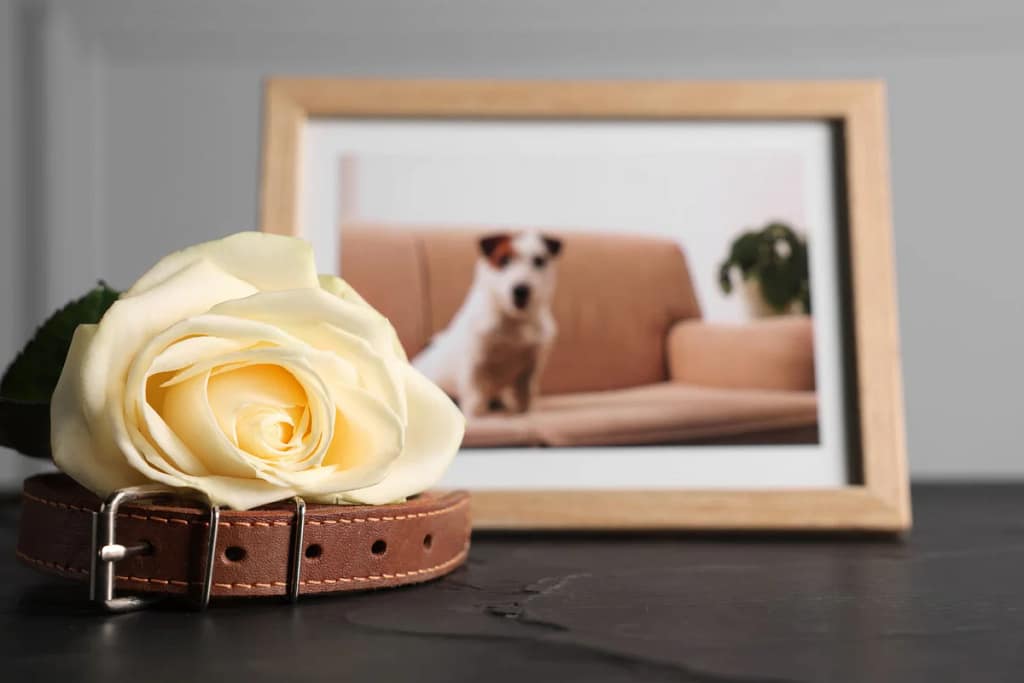
Losing a pet is often one of the hardest things we go through. For many people, pets are family. The sadness that comes after losing them can be very strong, and it’s important to acknowledge and respect those feelings. This guide can help you understand and cope with pet grief.
Losing Daisy
Margaret had faced many challenges in her eighty years, but losing Daisy, her golden retriever, left her with a deep emptiness. When her husband died ten years earlier, she grieved deeply, but found comfort in the support of neighbours, home-cooked meals left on her porch, and friends who visited to share hugs and memories.
Daisy joined Margaret’s life just a few months after her husband’s funeral. She quickly became Margaret’s loyal companion. Daisy’s presence filled the quiet house with the sound of her paws on the floor and her tail wagging each morning.
When Daisy became ill, Margaret devoted herself to caring for her, staying up through the night and helping her out of bed when she was too weak to walk. After Daisy passed away, the world felt smaller. This time, there were no flowers or visits from friends. Margaret’s grief felt heavy, even more than when her husband died. She thought it might be because she and Daisy shared a quiet, wordless comfort that didn’t need explanations.
Margaret felt very lonely. She missed Daisy lying at her feet in the evenings, her gentle reminders to go for a walk, and the unconditional love that helped her through tough days. Margaret realised that grieving a pet can be just as deep, or even deeper, than grieving a person. Daisy had helped her through her hardest times, and now, without her, Margaret was learning to live with a different kind of quiet.

My Rottie, Bella, who died aged 6 years, two years ago
Understanding Pet Grief
Grieving the loss of a pet is a unique and personal process. It can evoke a response. Everyone grieves the loss of a pet in their own way. You might feel sadness, guilt, anger, or even relief if your pet was in pain. Whatever you feel, your grief is real and valid, or feeling a void in your daily routine is all normal. Don’t feel pressured to “move on” quickly; healing takes time.
Memorialise Your Pet
Making a tribute can help you work through your feelings. You might create a photo album, plant a tree, or write a letter to your pet. These actions can bring comfort and help you remember them.
Losing A Pet
Talking about your grief with friends, family, or support groups can help you heal. People who have also lost a pet can understand and offer support.
Help Children Understand
If you have children, talk honestly with them about the loss. Use words they can understand and let them share their feelings. Reading books about losing a pet together can also help.
Take Care of Yourself
Grief can affect both your body and your emotions. Try to eat healthy, get enough sleep, and do things you enjoy. If your sadness feels too much to handle, think about talking to a counsellor or therapist.
Conclusion
Grieving a pet is a testament to the bond you shared. As you navigate your grief, it shows how strong your bond was. As you go through this, remember it’s okay to feel deeply and to ask for help. With time, the pain will ease, and happy memories will become clearer. I am here to support you, and if you think a short farewell ceremony would help, please reach out. I can help with that, too.
https://www.holmesinheaven.co.uk
Discover more from
Subscribe to get the latest posts sent to your email.