As the first light of dawn peeked through the curtains, I felt the thrill of anticipation as I prepared to journey from the Midlands to London for a conference that promised to change my approach to end-of-life rituals. My professional organisation touted it as a “once-in-a-lifetime opportunity” to gain insights from an expert in the field.
Upon arriving in London, I entered the conference hall and noticed a hastily assembled registration table. Some attendees chatted, while others appeared lost in thought as we waited for the lecture to start. The room gradually filled, and anticipation hung in the air. When the lights dimmed, the speaker shuffled onto the stage, adjusting her glasses and peering at her notes like they were her lifeline.
However, her opening remarks revealed the disappointing reality—this “expert” lacked the spark I had hoped for. Her monotone delivery drained the energy from the room. She avoided eye contact and read her notes as if they were a script. The content fell flat, filled with general anecdotes and vague observations that would have been more suitable for a high school social studies class than for a discussion on end-of-life ritual. She stumbled over details, mispronounced essential terms, and confused standard practices from various cultures.

A Lacklustre Conference
As the hour wore on, my initial excitement waned. I began questioning the purpose of my journey and the time I had sacrificed. This experience didn’t provide the enlightenment I had anticipated. Instead, I felt like I was enduring a test.
When the session concluded, the speaker opened the floor for questions. I watched as a few hands rose slowly, enthusiasm long gone. Someone finally inquired about specific cultural practices of remembrance, and she stumbled through a half-hearted response that deepened my frustration.
Feeling like I had wasted my time, I quietly slipped toward the back of the room and stepped into the hallway, overwhelmed by disappointment. This was hardly the transformative experience I had imagined. It was a stark reminder of the need for change in our profession, a call to action to uphold the standards of genuine connection and understanding that families deserve in their time of loss.
As I walked through the city streets, regret mixed with determination. While I may not have gained profound insights, I resolved to learn from this experience. My commitment to understanding and honouring those in their final moments was unwavering. I needed to seek authentic knowledge and expertise, rather than accepting shallow promises from so-called professional organisations.
The Norm
Sadly, this has become the expected norm in my profession, rooted in misguided beliefs—one reason I chose to leave the professional organisation I belonged to.
In an era when we yearn for genuine connection and understanding, it disheartens me to encounter so-called professionals who fail to engage their audience effectively. Often labelled as experts, they leave listeners uninspired and unfulfilled. This is particularly jarring in the context of funeral ceremonies, where the stark contrast between effective communication that fosters empathy and understanding and poorly conceived language that falls flat is all too apparent.
A Meaningful Funeral Ceremony
I take the time to understand the person being honoured, exploring their values, interests, and relationships. By doing this, I craft a ceremony that genuinely represents who they were. This unique approach ensures that the service is a true reflection of the individual, whether they cherished the outdoors, had a passion for travel, or were devoted to family.
While nearly anyone can recite a script, the true art of communication extends beyond words. It requires understanding not just what to say, but also how to say it.
Which One Am I?
Compassionate communicators stand out for several reasons. They exhibit emotional intelligence, allowing them to gauge their audience’s feelings and reactions. Thus enabling them to tailor their message effectively. Instead of speaking to fill the silence, compassionate communicators strive to foster connection.
In contrast, mundane speakers often fall short in these areas. They may have adequate vocabulary and knowledge on particular subjects, yet their delivery lacks the spark that captures attention. Their sentences may include clichés, and their tone could come across as flat and uninspiring, leading to what is often referred to as “information overload.” I have heard examples of this far too frequently. Too many words, often without substance.
Word and Spirit
Ritual & Gestures
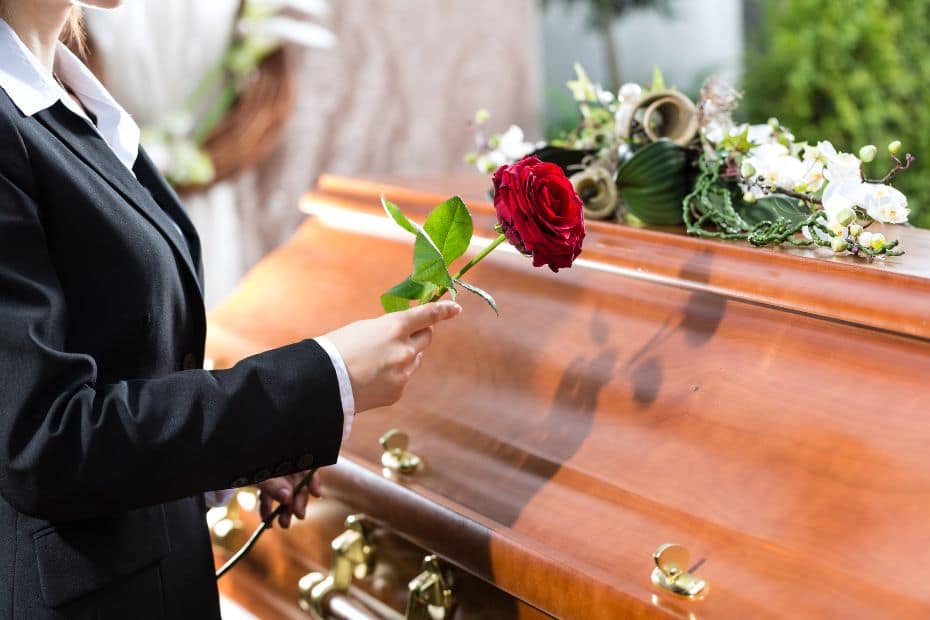
A ritual acts as a rich and intricate phenomenon that transcends the limitations of mere language. It weaves together gestures, symbols, narrative coherence, and carefully orchestrated sequences of actions, all conveying profound meaning. When we try to condense every detail of a person’s life into the brief 20 minutes at the crematorium, we not only fail but also overlook the significance of vital ritualistic elements. These aspects reveal just as much about the deceased and their place in our lives as a lengthy eulogy. To honour their memory fully, we must achieve a harmonious balance between word and spirit. This delicate equilibrium requires someone who truly understands the rich dynamics and deeper purpose of ceremony and ritual.
26 Years In The Making
My approach stems from my degree in applied theology and psychotherapeutic counselling, as well as extensive training for a life coaching diploma. With over 26 years of experience, I bring depth to this process that goes beyond an intensive 3-5 day fast-track course.
Ultimately, suppose you are a funeral director or a family needing to select someone to lead the process of crafting and delivering a funeral ceremony. In any case, this experience may influence your choice, or at the very least, it should be something for you to consider.
Anyone can read a script, but it takes a substantive and dedicated professional to deliver a funeral ceremony well.

…On the day everything was delivered seamlessly without fault. Everyone cried, everyone laughed and everyone remembered her the way that she was. I could have sat there for hours listening to him talk about her to be honest, if anything I was a bit gutted it came to an end. He also gave a beautiful touch after the ceremony of the video slide used in the service, which I watch every time I want to remember her. I asked Steve to make the service completely about her, and he delivered exceeding all expectations. To sum it up, I came out a lot better then I went in…
Discover more from
Subscribe to get the latest posts sent to your email.