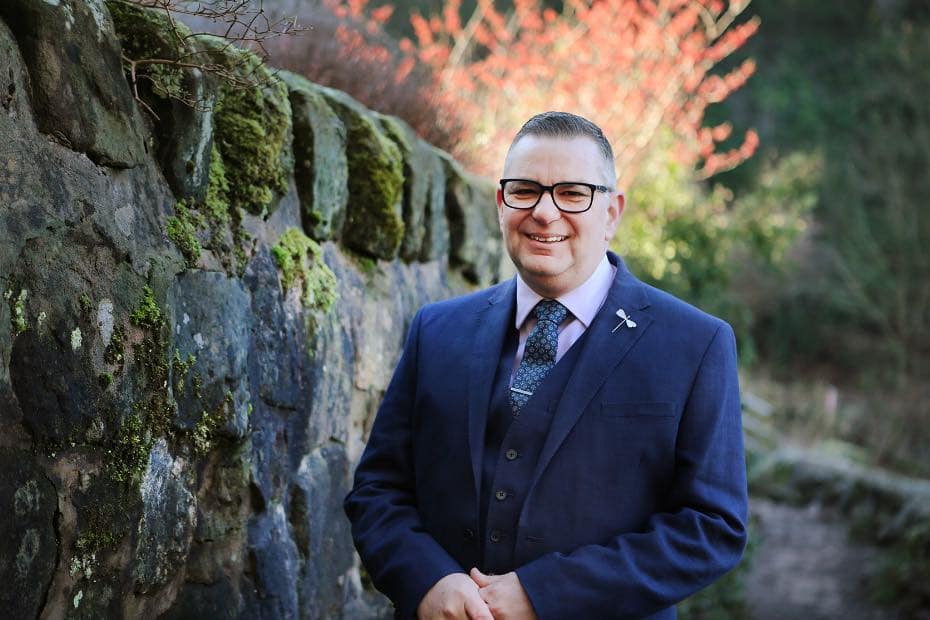
Recently, someone approached me after attending a funeral I had officiated and asked, “What are you? What do you represent?”
I responded, “I’m a Bereavement Practitioner.”
“So, you’re not a humanist?” she asked.
“No, not at all,” I explained, “humanist celebrants lead non-religious funeral ceremonies.”
“I have never been to a ceremony led like that before; there was something extraordinary about it,” she responded. She thanked me for the clarification and asked for my card.
Though I am often called a celebrant, the term doesn’t accurately describe my role or who I am. I have never trained as a celebrant and do not aspire to be one.
A celebrant reads civil services, such as naming ceremonies or funerals. The training to become a funeral celebrant can vary, but it generally lasts 3 to 6 months for online courses.
So, what am I?
Your guide through grief and growth 🌿 a Bereavement Practitioner, Spiritual Advisor, Life Coach, and Funeral Officiant.
I am one of only twenty people in the UK elected as a Fellow of the Society of Bereavement Practitioners and a Fellow member of their Faculty, which was founded under the leadership of the late Very Rev. Melvyn Occomore. This specialist membership incorporates spiritual elements as its core practice, which is especially important to me. It upholds the highest ceremony preparation, delivery, bereavement care, support, and ethical practice standards. This pretty much sums up who I am.
I received many accolades akin to those of celebrants, but this stems from the standard expectation among people, including funeral directors, that I should be either a vicar or a celebrant.
My formation, which took several years at university, has equipped me with the necessary skills, knowledge, and experience to be the professional I am today. Along the way, I have garnered liturgical and ministerial experience, studied grief and bereavement, engaged in hundreds of hours of introspection and retreat, and developed professional counselling skills.
The Difference Is…
As a bereavement practitioner, I offer a comprehensive service that supports, encourages, and listens to individuals during the very early moments after a loved one’s death. This service also involves arranging and delivering the funeral ceremony and providing specialist bereavement support if required after the funeral.
My typical workweek is divided into three main parts:
1. Bereavement Support
- I work closely with other healthcare professionals to provide practical and emotional support to the bereaved, including surgeries, bereavement support groups, and one-on-one support.
2. Preparation
This is the most significant part of my work.
- Preparation involves reflecting on and designing personalised ceremonies, listening to the needs of those I serve.
- Often, I meet families in their homes and safely collect sensitive information about the family and the deceased.
- Liaising with funeral directors and ensuring that all logistics for the ceremony are adequately arranged.
3. In a ceremony
- I travel to and from funeral venues to deliver the ceremony and remain available for the family afterwards. And a crucial part of my ceremonial duties is setting aside time to reflect before the ceremony and to debrief afterwards.
- All of this comes with the extraordinary benefit of my being a highly trained spiritual advisor and life skills coach, expertly equipped to empower personal growth and transformation.
Spiritualty
As a spiritual advisor, I bring a unique perspective to my role as a bereavement practitioner. Spirituality is not just a part of my training; it’s a deeply ingrained aspect of my personality. I help individuals explore their spiritual beliefs, practices, and values, providing a safe space for self-exploration, meaning-making, and connection with one’s inner self. This is not to be confuesed with being a congregant or being religious, but this experience enriches my service, whether the context is religious or not. Unlike many of my contemporaries, I possess extensive knowledge about the significance of ritual and symbolism, and I have spent considerable time contemplating the meaning of life over the course of 30 years.
Professional Life Coach
Seven years ago, I expanded my professional skills by completing training as a life coach. As a life coach, I assist individuals in navigating challenges and facilitating positive life changes through guidance, support, and accountability. I work with clients to identify goals, overcome obstacles, and empower them with emotional support and grief coaching. This additional role allows me to provide comprehensive support to individuals during their bereavement journey.
A Funeral Officiant
When leading ceremonies, I prefer to be called an ‘officiant’ rather than a ‘celebrant.’ The latter term limits my identity and the scope of what I represent. After being a member of celebrant associations in the past, I understand that the breadth and depth of my practice go beyond that role.
A funeral director once said, “You are different from the others, and I can’t quite put my finger on what sets you apart.” This was meant as a compliment! I didn’t respond then, but I knew, deep down, what he meant.
Judy Garland once said, “Always be a first-rate version of yourself, instead of a second-rate version of somebody else.” I like this. It resonates.
“When you embrace your difference, your DNA, your look or heritage or religion or your unusual name, that’s when you start to shine.” – Bethenny Frankel.
Links
Find out more here
Discover more from
Subscribe to get the latest posts sent to your email.