Ghosts captivate us, often appearing in our stories and personal experiences. The thought of these spooky figures wandering through old houses sparks curiosity about what happens after we die. Despite our advances in science and technology, discussions about the supernatural continue, as people debate what might await us on the other side.
When we talk about ghosts, it’s important to clarify our meaning. We usually consider them the spirits of people who have passed away. Some believe these spirits are restless souls seeking peace, while others see them as protective forces watching over the living.
We both felt a chill…
Trick or Treat?
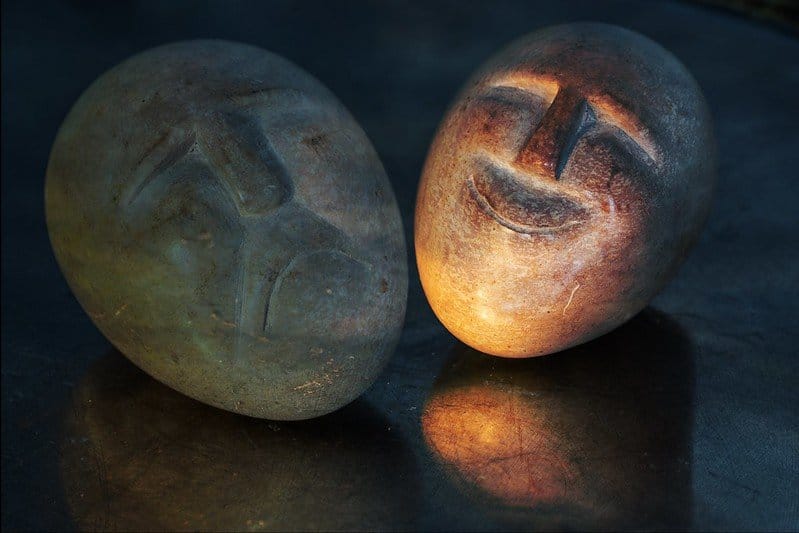
I still remember meeting a mom who had lost her child and was convinced her house was haunted. I went to her place with an open mind, along with a colleague. As soon as we got inside, I noticed the decorations on her fireplace—arranged weirdly, almost like they were about to fall. It was such a strange sight that made me uneasy. I exchanged a look with my colleague, and we both felt a chill. But this mom was totally calm, happily sharing stories about the odd things happening in her home. Even now, I find myself questioning what I saw, wondering if it was real or if there's an explanation behind it.
Spine-tingling
Many people who believe in ghosts share their eerie experiences—creeping whispers echo in dark hallways, sudden chills run down their spines, and shadows dart out of view. Places like Pendle Hill burst with spooky stories that resist easy explanations. These personal tales resonate emotionally and lend some credibility to the idea of ghosts. So, how can we make sense of these experiences? Are they merely figments of our imagination, or do they hint at something beyond our full understanding?
Strong Arguments
On the other hand, sceptics raise solid points, arguing that many ghostly experiences stem from psychological or environmental factors. During times of stress—especially when combined with heightened emotions like grief—people might interpret ordinary things as signs from beyond. Environmental factors, such as low-frequency sounds, can create discomfort and lead individuals to feel a presence nearby. Should we dismiss these ghostly encounters as coincidences or tricks our minds play on us?
Meanwhile, researchers actively explore the paranormal. Ghost hunting has become a popular hobby, with enthusiasts using gadgets like electromagnetic field meters and infrared cameras to detect paranormal activity. Shows like “Most Haunted” bring these experiences to our TV screens, presenting evidence that ranges from convincing to confusing. Some ghost hunters claim they have captured solid proof of spirits, while others argue that the evidence falls short.
Ghosts are Real?
Supporters of the ghostly phenomenon defend their beliefs from various perspectives—spiritual, psychological, and scientific. Some argue that our understanding of consciousness should extend beyond the physical, suggesting that our essence could persist after death. Near-death experiences, where people describe traveling through tunnels or meeting long-lost loved ones, reinforce the belief in an afterlife and strengthen faith in ghosts.
Moreover, the history of specific locations adds depth to these stories. Places like Pendle Hill resonate with tales that blend history and emotion, attracting those eager to connect with the past. The narratives of individuals who once traversed these grounds create an invisible link between the living and the dead. But does this connection genuinely indicate the existence of ghosts, or does it simply reflect our longing for comfort when contemplating death?
Despite the compelling arguments for the existence of spirits, the scientific community remains cautious due to a lack of solid evidence. Researchers find it challenging to establish standardised methods for investigating these paranormal experiences. The scientific method relies on evidence that can replicate under controlled conditions—something ghostly events often fail to achieve.
What do you think? What’s your take on the ornaments on the fireplace? Any ideas? Share in comments.
Discover more from
Subscribe to get the latest posts sent to your email.