Some days stay with you, not for what you did, but for what you saw others do. Steve often remembers one such day. It was a hot summer afternoon. The woodland air was thick with the scent of pine and wildflowers. A memorable farewell. The burial site seemed suspended in time. This was not an ordinary cemetery. Instead, it was a serene, timeless resting place tucked away in an area of outstanding natural beauty. Here, nature gently reclaimed sorrow and offered peace in return.
A Natural Woodland Burial
The first part of the ceremony took place at the graveside. Although I had organised everything, my own role was small. The setting was perfect for a unique, environmentally conscious farewell. Mourners formed a large circle around the grave, and one by one, each stepped forward to offer a short, personal tribute. The woodland echoed with stories, laughter, and tears. It was the mourning community itself that took centre stage, honouring a beloved brother, friend, and local politician whose life had touched so many.
There was something profoundly authentic about this gathering. There were no rituals, no forced melancholy—just real stories and memories, and at times, raw grief.

Yet, this day stood out for another reason. Tradition blended with innovation. Despite the rustic, organic setting, technology played a key role too, providing music and elegant poetry delivered by prominent figures in the political world.
Afterwards, everyone gathered at a nearby disused church. The atmosphere shifted noticeably—the new setting was informal, welcoming, and brimming with character. It was the perfect place to continue sharing stories and to raise a glass in his memory.
A large bar had been set up, offering a generous selection of ales and ciders. Guests were encouraged to collect a drink as speeches from dignitaries and family members unfolded. Here, I took on the role of Master of Ceremonies rather than celebrant, and that felt fitting. There was no formal eulogy—just a heartfelt sequence of personal tributes and anecdotes, all culminating in the tradition of the Parting Glass.
The Irish Parting Glass
Rather than ending with the traditional “earth to earth, ashes to ashes,” I sometimes choose to conclude funeral ceremonies with something altogether different, a moment that feels like a crescendo rather than a sombre ending. One of the most powerful examples is The Irish Parting Glass. As the ceremony draws to a close, I invite everyone to stand for a final toast. I pour the deceased’s favourite drink, and together, we raise our glasses in a bittersweet farewell. This ritual is more than just a goodbye; it is an expression of gratitude for friendship and love, and a heartfelt wish for good fortune to all as they step into the future.
As the glass is raised, an ancient melody fills the room:
“So fill to me the parting glass,
Good night and joy be with you all.”
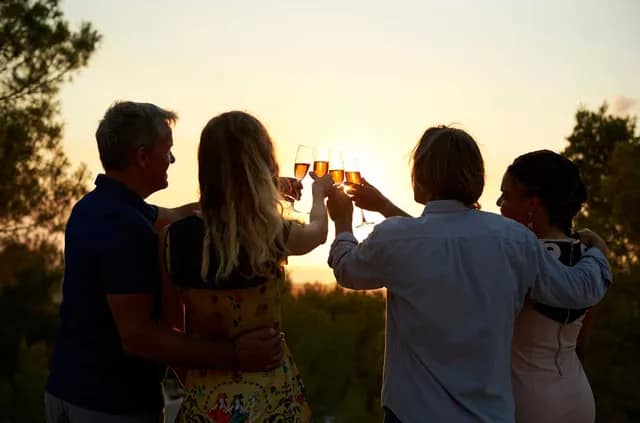
“Fill to me the parting glass…”
This moment always feels deeply comforting and communal. It reminds everyone that, while parting brings sorrow, it also brings people together. For me, helping families mark these moments with reverence and warmth is what makes each farewell memorable.
Families now often choose unique settings and rituals that reflect the individual’s personality. These occasions blend grief with laughter, stories, and communal tributes, sometimes culminating in uplifting moments like the Irish Parting Glass. While mourning remains important, modern funerals embrace gratitude, connection, and authentic remembrance, allowing space for both sorrow and celebration.
Honouring Lives, Embracing Memories: Your Partner in Grief
In recent years, funerals have undergone a remarkable transformation. No longer confined to strictly sombre, traditional ceremonies, modern funerals are increasingly becoming personalised celebrations of life. This shift reflects a deeper understanding of grief and the diversity of ways people wish to honour life.
Funerals are changing, with more focus on “celebrations of life.” These services now highlight joyful memories, funny stories, and uplifting moments. Instead of focusing only on loss, they showcase what made each person unique. Personal touches, such as hobbies, favourite films, or sports teams, make every service different. The atmosphere is also shifting. Bright colours and casual clothing are often worn instead of black, creating a more personal and authentic space.
Shaping The Future
Cultural and personal traditions are shaping this change. Some communities, like those in New Orleans, mix mourning and celebration with jazz funerals—a sombre procession followed by a lively gathering. Non-religious funerals focus on a person’s life story and values, usually without hymns or rituals. The wake or repast after a service can also become festive, with food, music, and laughter.
As funerals grow more varied and celebratory, it is important to remember that sadness is natural and necessary. Funerals do not have to be happy. Grief is a valid, deeply human response. Funerals remain a key ritual for expressing sorrow, finding comfort, and processing loss together. Sometimes, a quiet, traditional service is what the bereaved need.
The changing nature of funerals shows there is no single way to say goodbye. Whether sombre, celebratory, or both, a funeral should honour the unique life lived and allow for all emotions.
In the next final post of this series, I’ll share a moment I expected to be simple and straightforward. It turned out to be an experience that completely blew me away...
Discover more from
Subscribe to get the latest posts sent to your email.